
Key Takeaways
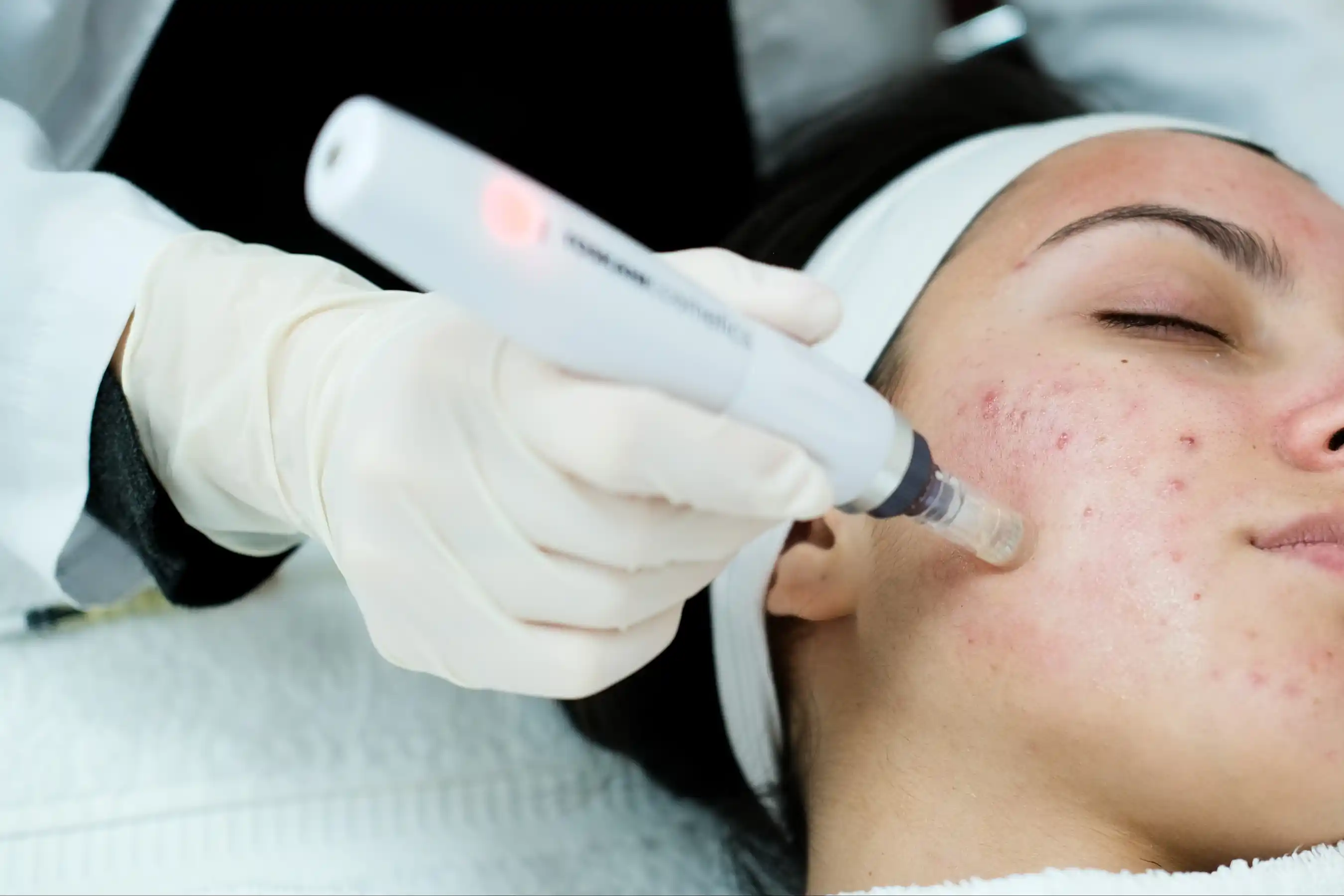
- Microneedling is considered safe for most people, including many with sensitive skin, when it is done by a trained provider and adjusted to your skin.
- Providers can customize treatment for sensitive skin by adjusting needle depth, session spacing, and pre-treatment and aftercare routines.
- Mild redness, warmth, and swelling are normal side effects and usually fade within a few days to a week.
- Some skin conditions and medications mean you should wait or choose a different treatment, so a consultation comes first.
- Renu Laser & Skin Care offers customized microneedling and gentle skin treatments in Littleton, CO, so request an appointment at Renu Laser & Skin Care to talk through your skin's needs.
Is Microneedling Safe? What the Experts Say
If your skin turns red easily, stings with new products, or reacts to harsh treatments, you may worry that microneedling will be too much. That is a fair concern, and it is worth asking before you book.
The good news is that experts consider microneedling a safe procedure for most people. The American Academy of Dermatology (AAD) guide to microneedling describes it as minimally invasive and safe for all skin tones. The Cleveland Clinic overview of microneedling also calls it a safe outpatient procedure, meaning you go home the same day.
'Safe for most people' does not mean 'right for everyone,' though. Sensitive skin is a good reason to work with a trained team that will adjust the treatment to you.
How Microneedling Can Be Customized for Sensitive Skin
Microneedling is not one-size-fits-all. At Renu Laser & Skin Care, treatments are customized to each patient's skin type and concerns. For sensitive skin, a provider may adjust:
- Needle depth. The Cleveland Clinic notes that needle length can range from 0.5 to 2 millimeters. Shallower settings are gentler on the skin.
- Treatment area. Your provider may start with a smaller area to see how your skin responds.
- Session spacing. More time between sessions gives sensitive skin extra time to calm down and heal.
- Type of microneedling. Renu offers both standard microneedling and Scarlet RF microneedling, which adds radiofrequency (RF) energy to heat deeper skin layers. Your provider can help you decide which is the better fit.
- Your skin care routine. The AAD notes that a skin care routine followed for 2 to 4 weeks before microneedling can improve your response. This may include pausing retinoids (vitamin A products such as retinol and tretinoin) for a few days.
Signs Your Skin May Need a Gentler Approach
Some skin conditions do not rule out microneedling, but they do call for extra care or a talk with your provider first. The Cleveland Clinic recommends talking to your provider before microneedling if you have:
- Eczema or psoriasis
- Frequent skin rashes (contact dermatitis) or cold sores
- Acne, or if you take acne medication
- A tendency to form keloids (hard, raised scars)
- Moles or growths that change in size or shape, or bleed
- A blood disorder, or if you take blood thinners
The AAD also notes that your provider will wait to treat you if you have a tan or recent sun exposure, a skin infection, or painful, deep pimples. If you have taken isotretinoin (a strong acne medication), at least one month must pass after your last dose.
If microneedling is not the right fit right now, Renu Laser & Skin Care offers gentler options. According to the anti-aging treatments page at Renu Laser & Skin Care, many of its treatments suit sensitive skin, including LED therapy, AquaFirme, and custom facials.
Microneedling Side Effects: What to Expect in Terms of Redness and Sensitivity
Some redness and sensitivity after microneedling is normal. It is a sign your skin is starting to heal. Knowing what is expected can make recovery less stressful.
| What You Notice | Usually Normal? | What to Do |
|---|---|---|
| Redness or darker shading on treated skin | Yes, for a few days to a week | Keep skin clean, moisturized, and out of the sun |
| Mild swelling | Yes, for up to about 5 days | An ice pack may help with comfort |
| Warm, tight, or sunburn-like feeling | Yes, usually short-term | Use the aftercare products your provider recommends |
| Dry or flaky skin | Yes, in the days and weeks after | Apply a gentle moisturizer |
| Bleeding longer than 24 hours | No | Contact your provider |
| Blisters | No | Contact your provider |
| Swelling longer than a week | No | Contact your provider |
These timelines come from the AAD and Cleveland Clinic guides linked above. The Cleveland Clinic lists bruising, scarring, and skin infection as possible risks. The AAD notes that the risk of side effects drops when microneedling is done by someone with proper training and when you follow your aftercare instructions.
Questions to Discuss With Your Provider Beforehand
A consultation is your chance to make sure microneedling is a good match for your skin. Bring these questions to your appointment:
- Is my skin a good candidate for microneedling?
- Should I try standard microneedling or Scarlet RF microneedling?
- How will you adjust the treatment for my sensitive skin?
- Which products should I stop using before my session, and for how long?
- What side effects should I expect, and for how long?
- How many sessions will I likely need?
- Are there gentler treatments I should try first?
Be sure to share any skin conditions, allergies, past reactions, and medications. This helps your provider choose the safest approach.
How Aftercare Supports Sensitive Skin Recovery
Good aftercare helps your skin heal well and lowers the chance of irritation. Common aftercare steps from the AAD and Cleveland Clinic include:
- Protect your skin from the sun. Stay out of direct sun while your skin heals, and wear sunscreen once your provider says it is okay.
- Wait before wearing makeup. The AAD recommends waiting 24 hours before applying makeup.
- Keep skin calm and hydrated. Use a gentle moisturizer or the post-treatment cream your provider recommends.
- Skip harsh products. Hold off on strong exfoliants and active ingredients until your provider says it is safe.
- Watch for warning signs. Call your provider if you notice blisters, long-lasting swelling, or bleeding beyond 24 hours.
Get Gentle, Customized Microneedling at Renu Laser & Skin Care
Microneedling can be a safe choice for many people with sensitive skin when the treatment is adjusted to your skin and paired with good aftercare. The team at Renu Laser & Skin Care will review your skin, talk through any concerns, and recommend the gentlest effective approach.
Request an appointment at Renu Laser & Skin Care to schedule a consultation and learn whether microneedling at the Littleton med spa is right for your sensitive skin.
Frequently Asked Questions
Is microneedling safe?
Microneedling is considered safe for most people when done by a trained provider. The AAD describes it as minimally invasive and safe for all skin tones. A consultation helps confirm it is right for your skin.
Can I get microneedling if I have sensitive skin?
Many people with sensitive skin can get microneedling. Your provider may use shallower needle depths, space sessions further apart, and recommend a gentle skin care routine before and after treatment.
What are the most common microneedling side effects?
The most common side effects are redness, mild swelling, and a warm or tight feeling, a bit like a mild sunburn. These usually fade within a few days to a week. Some people also have dry, flaky skin for a short time.
Is microneedling treatment safe if I have eczema or rosacea?
If you have eczema, psoriasis, rosacea, or another skin condition, talk with your provider first. They may recommend waiting until your skin is calm or suggest a gentler treatment instead.
Where can I get microneedling in Littleton, CO?
Renu Laser & Skin Care offers microneedling and Scarlet RF microneedling in Littleton, CO, and serves patients across the Denver area. You can request an appointment online or call (303) 470-0200.
